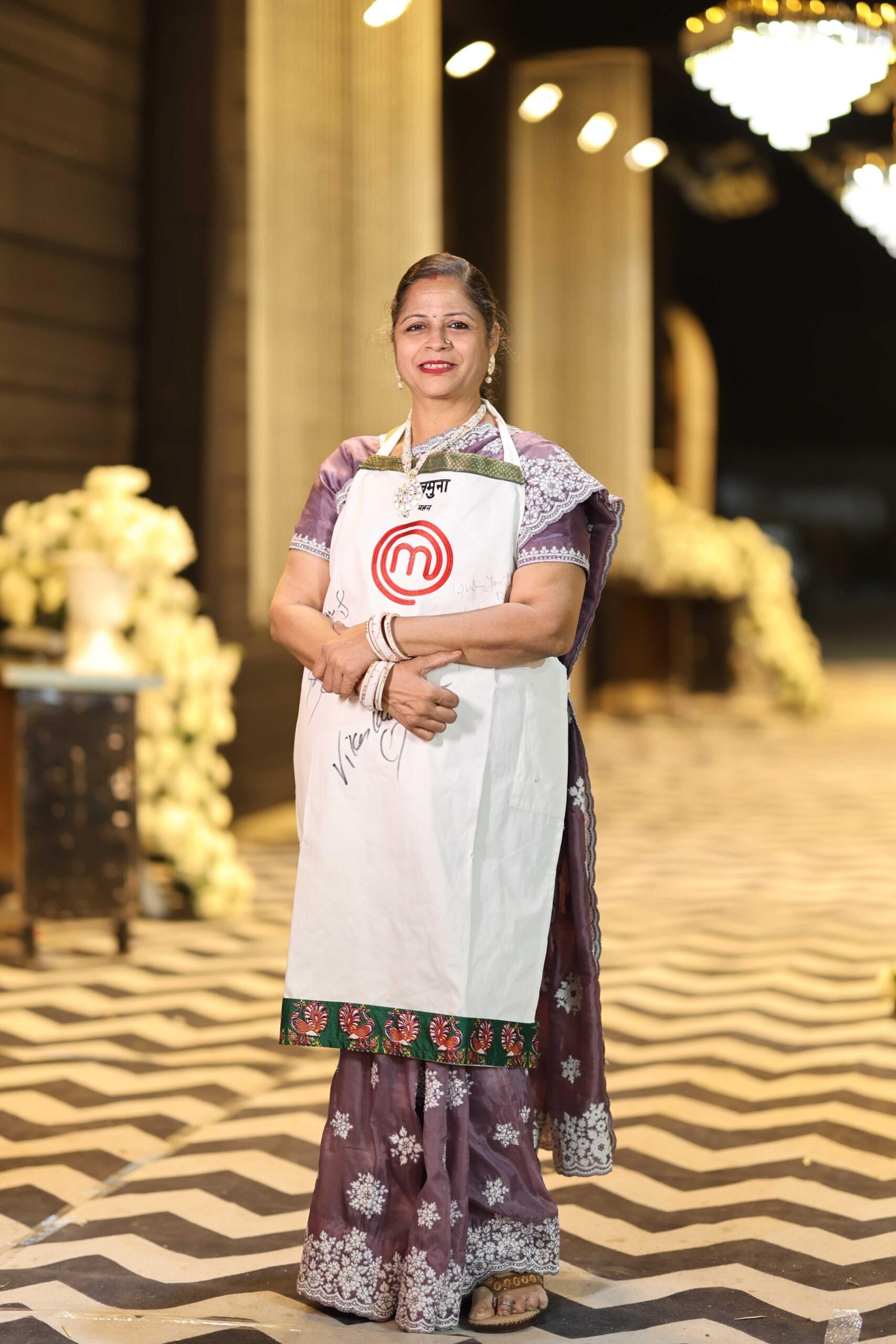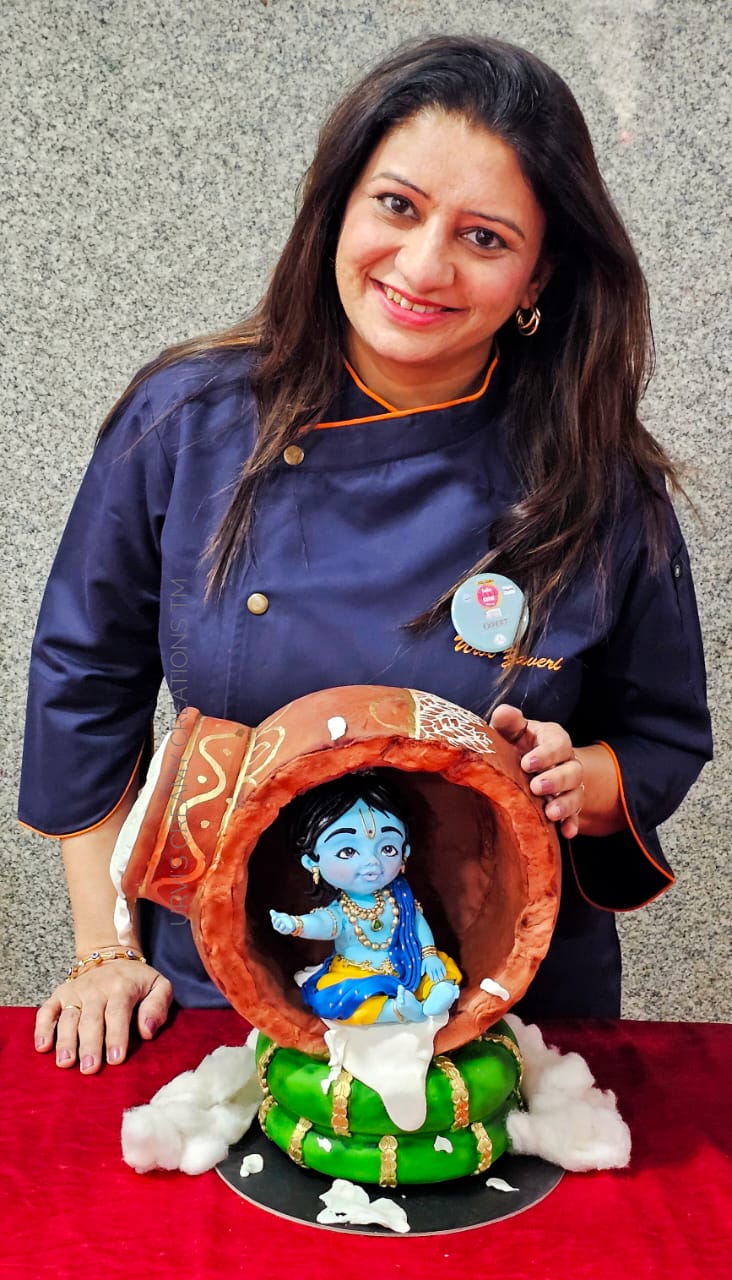

From humble home kitchens to the national spotlight, Anjupradhan’s culinary journey is a heartfelt tribute to India’s rich food heritage. Deeply rooted in Odisha’s traditions, her cooking reflects not just flavors, but stories of culture, climate, faith, and generations of wisdom.
When did you started your journey as an chef?
My journey started from my home kitchen. I always had interest in cooking and learning traditional recipes slowly I started understanding flavors and improving my skills.
Being part of MasterChef India Season 9 is a very big moment in my life. It gave me a platform to show my talent and represent my culture.
My aim is to take Odia foods like Jagannath Mahaprasad, Chhappan Bhog, pithas, and traditional sweets to a national and global level, so that people can understand and appreciate the richness of our culture.
Indian cuisine is often described as a civilization on a plate. How do centuries of trade, migration, and cultural exchange shape the layered complexity of flavors we see in Indian food today?

Indian food is not just about taste it’s a reflection of our history and culture. Over time, many ingredients came from outside India, but we accepted them and made them part of our daily life. Still every region kept its own identity.
Spices are the soul of Indian cooking. From a culinary science perspective, how do traditional spice combinations create balance not only in flavor but also in digestion and wellness?
Indian cuisine varies dramatically every few hundred kilometers. How do geography, climate, and local agriculture influence the evolution of regional Indian culinary identities?
Our food is very simple but deeply meaningful. Dishes like Dahi Pakhala are not just food, they are part of our lifestyle in odisha, especially in summer. We even celebrate Pakhala Divas on 20th March, which shows how emotionally connected we are to our traditional food.
In Indian cooking, spices are used with a lot of understanding. It’s not just about making food spicy, but about keeping it balanced.
For example, turmeric supports immunity, cumin helps in digestion, and ginger improves metabolism.
Our ancestors may not have explained it scientifically, but they knew exactly how to use these combinations in the right way. Food also depends on where we live. In Odisha, cause of the humid climate, we prefer light and rice-based meals. The culture of Shri Jagannath Temple in Puri has a strong influence on our food habits. The temple food is prepared using local and seasonal ingredients with traditional methods, showing a beautiful connection between food, nature, and faith.
Fermentation plays a significant role in Indian food traditions—from dosa batter to kanji and pickles. How does this ancient knowledge align with modern scientific understanding of gut health?
Fermented foods like pakhala, dosa, and pickles have always been part of our daily meals.
Now modern science says they are good for gut health and digestion. But in reality, our ancestors were already following this for generations. In Odisha, pakhala is very helpful during hot weather it keeps the body cool and supports digestion.
Indian cooking techniques—such as slow dum cooking, tandoor roasting, and tempering (tadka)—are both art and science. What makes these techniques unique in creating depth and complexity in flavor?
Indian cooking is all about patience and technique. Dum cooking, tandoor, and tadka all help in building flavor step by step.
In Odisha, temple cooking is very special. In the kitchen of Shri Jagannath Temple, food is cooked in earthen pots over firewood, without modern equipment, but still the taste is amazing.
We have Chhappan Bhog, which means 56 types of food offered to Lord Jagannath. It includes dishes like Dalma, Khechudi, Mahura, Saga, besara, and different types of pitha and mitha. This Mahaprasad is not only spiritual but also very balanced, healthy, and prepared with great discipline.
Indian cuisine has a profound vegetarian tradition rooted in philosophy and sustainability. How has this tradition influenced global perceptions of plant-based gastronomy?
In temple traditions and at home, we prepare many vegetarian dishes using simple ingredients without onion and garlic. We also have a rich variety of pithas and sweets like Enduri Pitha, Arisa Pitha, and Chhena podo or chhena based desserts.
Today, when the world is moving towards plant-based food, people are slowly understanding the value of our traditional cuisine.