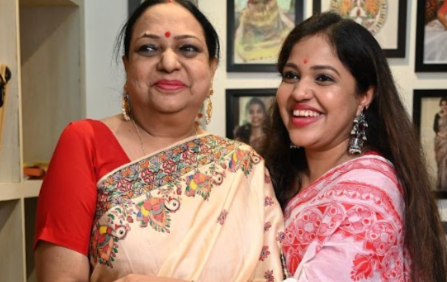
We are Geetanjali, a Darbhanga-based artisanal brand rooted in Bihar and founded in 1995 by Dr. Sunanda Biswas. Today, the legacy continues through her daughter Geeti, as a mother–daughter duo devoted to preserving and reimagining the timeless heritage of authentic hand-painted Madhubani and Mithila art.
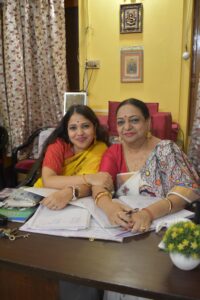
At Geetanjali, every saree, garment, and piece of home décor is a living canvas—hand-painted with care, patience, and soul. Our creations are brought to life by a collective of over 100 women artisans from Bihar, whom we train, support, and empower through continuous workshops and long-term livelihood opportunities.
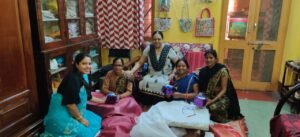
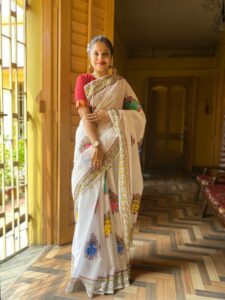
Deeply rooted in tradition yet thoughtfully created for the modern woman, our Madhubani and Sujani pieces carry the colours of Bihar, the warmth of home, and the quiet pride of India. Each motif tells a story—of rivers and rituals, of womanhood and wisdom, of generations passing art from hand to hand.

More than clothing, Geetanjali is an emotion—a story you don’t just wear, but feel. Handcrafted with love. Preserving art. Promoting artisans.
How does Geetanjali redefine entrepreneurship?
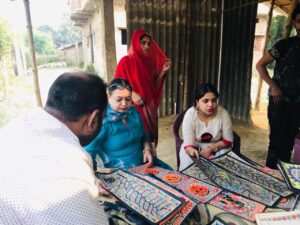
Geetanjali was never started as a “business idea” in the modern sense. When my mother, Sunanda Biswas, began the journey in 1995, her instinct was simple, people matter more than products. At a time when concepts like social entrepreneurship or women-led enterprises were barely spoken about in India, she focused on creating dignity, stability, and respect for women artisans. Entrepreneurship for us has always meant building lives alongside building a brand.
How does transforming Madhubani into wearable art challenge boundaries?
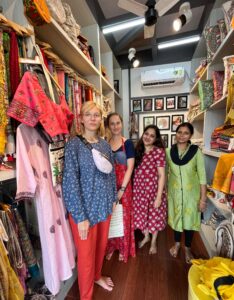
Madhubani was born in everyday spaces, homes, rituals, courtyards. Bringing it onto sarees and textiles felt like returning it to daily life, not commercializing it. At Geetanjali, we never saw art, craft, and commerce as separate. When art is worn, lived in, and loved, it remains alive rather than archived.
How does Sunanda Biswas’s psychology background shape Geetanjali?
My mother deeply believes that people are the biggest asset of any organization. Her background in psychology made her sensitive to trust, motivation, and emotional security. Many of our master artisans have been with us for over 15 years. We’ve supported their children’s education, helped build homes, and stood by them during personal crises, not because it benefits business, but because we genuinely see them as family. That care creates loyalty, pride, and a sense of belonging that no contract can replace.
Is Geetanjali a cultural movement?
Yes, quietly so. Over the years, we’ve watched women who once hesitated to step out of their homes become confident earners and decision-makers. Geetanjali has helped shift self-perception from “helping hands” to skilled artists with identity and agency. That change is cultural, not just commercial.
Role of structured training and government affiliation?
Structure brings respect. Training, evaluation, and government affiliation gave legitimacy to what was earlier seen as informal work. Artisans began to be recognized as professionals with skill, discipline, and value. It changed how society and often their own families looked at them.
How does Geetanjali balance affordability and integrity?
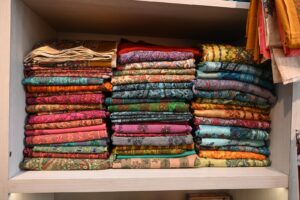
We’ve always chosen patience over pressure. By working directly with artisans and avoiding mass production, we keep costs honest. Our pricing reflects time, skill, and fairness, without compromising quality or exploiting labor. We believe handmade should be valued, not rushed.
How does Geetanjali challenge urban-centric innovation narratives?
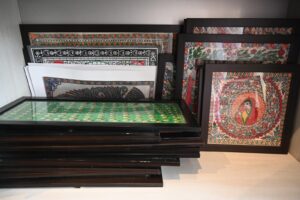
Geetanjali’s roots in Darbhanga, Bihar, challenge the idea that innovation only comes from cities. Our journey shows that creativity, leadership, and sustainable models can grow from small towns when tradition and opportunity meet.
What does generational continuity mean for Madhubani?
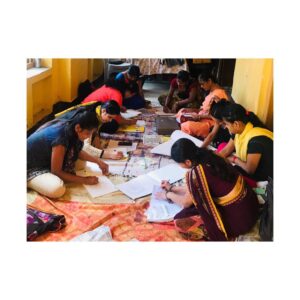
Madhubani survives because it adapts. At Geetanjali, women pass on skills to younger generations, not by copying the past, but by evolving with it. That’s how heritage stays alive by growing, adapting to needs of urban audience and adding contemporary touch to the art without losing the authenticity of the artform.
What does Geetanjali reveal about gender and economic agency?
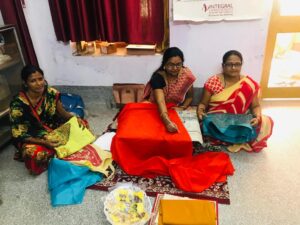
When women earn, families transform. We’ve seen artisans gain confidence, influence household decisions, and invest in their children’s futures. Economic agency reshapes relationships, respect, and aspirations within entire communities.
How does Geetanjali protect authenticity globally?
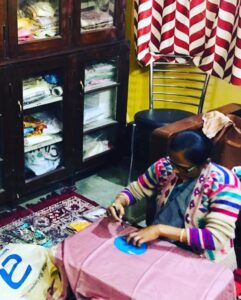
We stay rooted in the source. Through transparent storytelling, ethical practices, and direct engagement, shared on www.geetanjaliboutique.com—we ensure global reach doesn’t dilute cultural truth. Visibility should amplify heritage, not flatten it.
Preserving spiritual depth as Madhubani evolves?
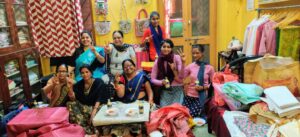
Madhubani was never just decorative, it was sacred and heritage. At Geetanjali, we preserve its depth by respecting motifs, rituals, and symbolism. While formats change, the spirit remains intact.
Retaining the communal soul of Madhubani

Madhubani has always been collective, not individualistic. Even as markets look for signatures, we highlight lineage and community. The art speaks through many hands, not one name.
Encouraging deeper engagement in a fast world
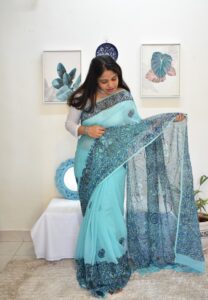
We slow the viewer down through stories, about process, people, and meaning. Every motif holds layers of mythology, ecology, and lived memory. We invite audiences to see, read, and feel. The process takes months to complete and we take pride in it.
Can Madhubani become a universal spiritual language?
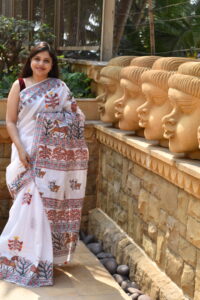
Madhubani reminds the world that spirituality once lived in everyday acts—painted by women on walls, woven into rituals, shared within homes. Through Geetanjali and platforms like QV India, it travels globally while carrying that quiet, grounding wisdom with it.