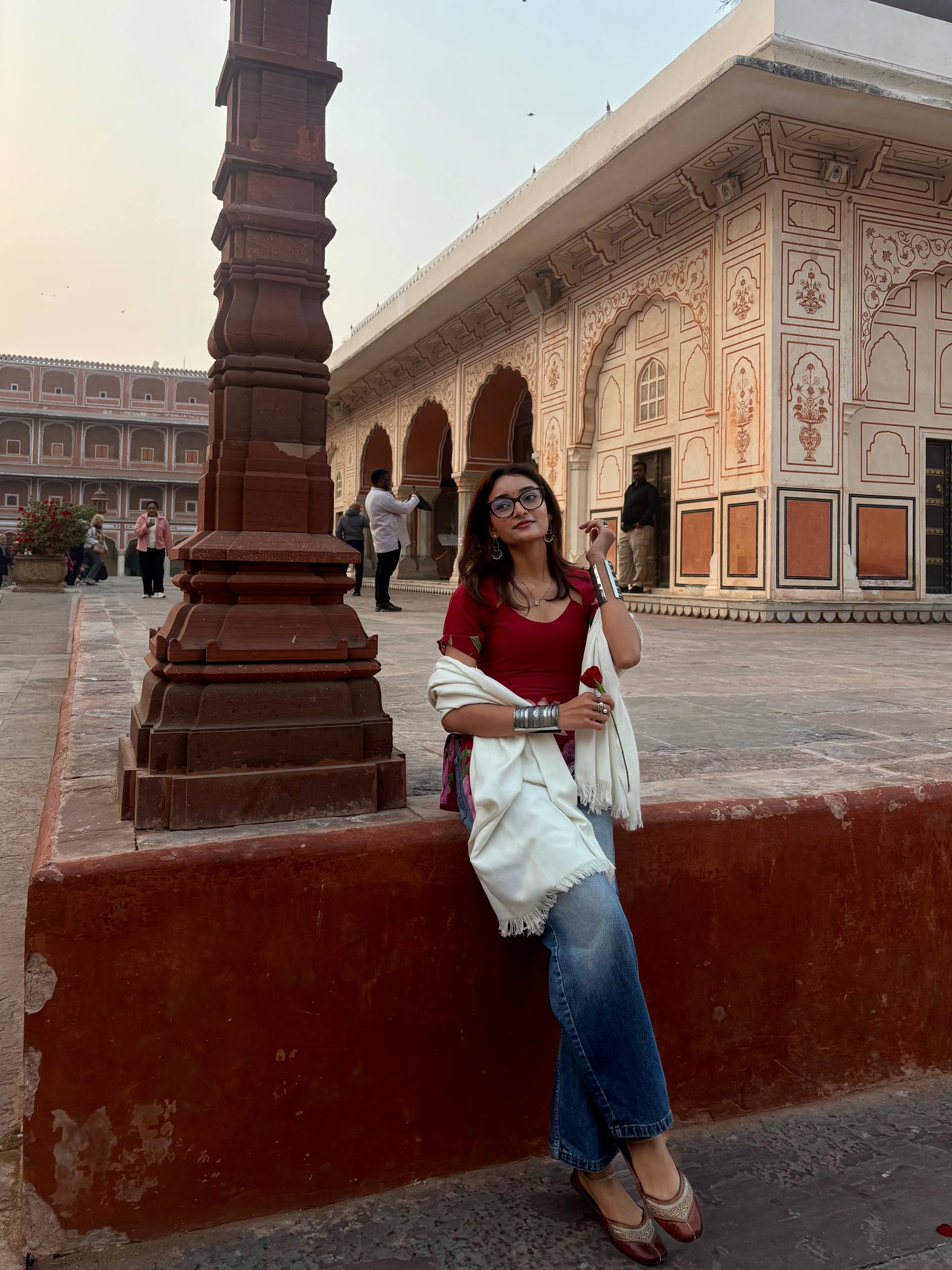
In an age where beauty is constantly filtered, optimized, and algorithmically defined, one creator’s journey reminds us that make-up is far more than surface-level aesthetics. From navigating generational resistance to redefining authenticity in the era of AI, her story reflects a larger cultural shift—where make-up becomes art, storytelling, and quiet rebellion. This conversation explores how beauty evolves from seeking approval to becoming an act of self-alignment, and why, in 2026, lipstick is no longer worn to be seen—but to be understood by oneself.
When did you start your journey as a UGC Creator?
I started exploring UGC seriously in 2021, at a time when the concept was still very new in India. I had just reached around 6,000 followers when my father deleted all my posts—happily. It wasn’t anger; it was a generation gap. Content creation wasn’t seen as a real skill or profession then. Over time, with consistency and results, he understood and accepted it. That journey shaped me deeply and made me more responsible and intentional about the content I create today.
What does make-up mean to you beyond aesthetics?
For me, make-up breaks the long-standing norm of how society—especially men—are conditioned to look at women who wear it. I see make-up as art. Women are the real living goddesses on earth, and make-up is a value-added skill that requires effort, technique, and creativity. Anything that demands discipline and expression is art, and make-up is exactly that.
Do you see make-up as self-expression, self-care, or storytelling—and why?
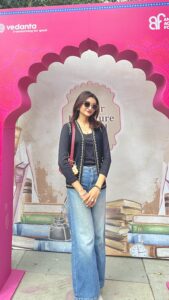
I see make-up as storytelling because it reflects phases of a woman’s life. Some days you choose bare skin because you’re healing or grounded. Other days you choose bold eyes or lips because you’re reclaiming confidence. Each choice silently tells a story of where you are emotionally and mentally at that moment.
How has your personal relationship with beauty evolved over the years?
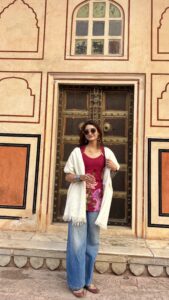
Growing up in an Indian household, beauty often came with rules—what is acceptable, what is “too much,” and what women should avoid. Earlier, beauty felt like seeking approval. Today, it feels like self-alignment. That shift mirrors the larger journey of many Indian women navigating tradition while stepping into independence.
In an era of filters and AI beauty, how do you define authenticity?
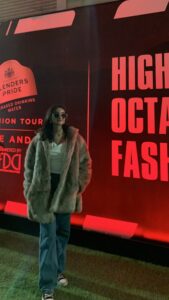
Authenticity is when beauty supports who you are instead of masking it. It’s about choosing what feels right for you, not what trends demand. Real authenticity is intentional—when a woman controls how she wants to present herself without pressure or apology.
In 2026, when lipstick carries cultural, emotional, and political weight beyond beauty, do we wear it to be noticed by the world—or to recognize ourselves within it?
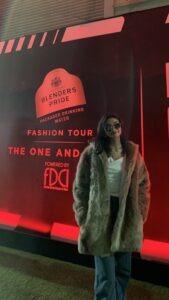
We wear it to recognize ourselves. For many women—especially from conservative or rural backgrounds—lipstick can mark a personal shift from restriction to self-ownership. Once a woman understands her worth, being noticed becomes secondary.
When fashion and make-up merge as one form of expression, are we crafting an image for the world—or uncovering a truth we need to see ourselves?
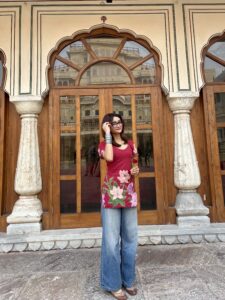
We are uncovering truth. Fashion and make-up don’t create identity; they reveal it. When a woman feels comfortable in her expression, the world responds—but the real validation comes from seeing herself clearly for the first time.