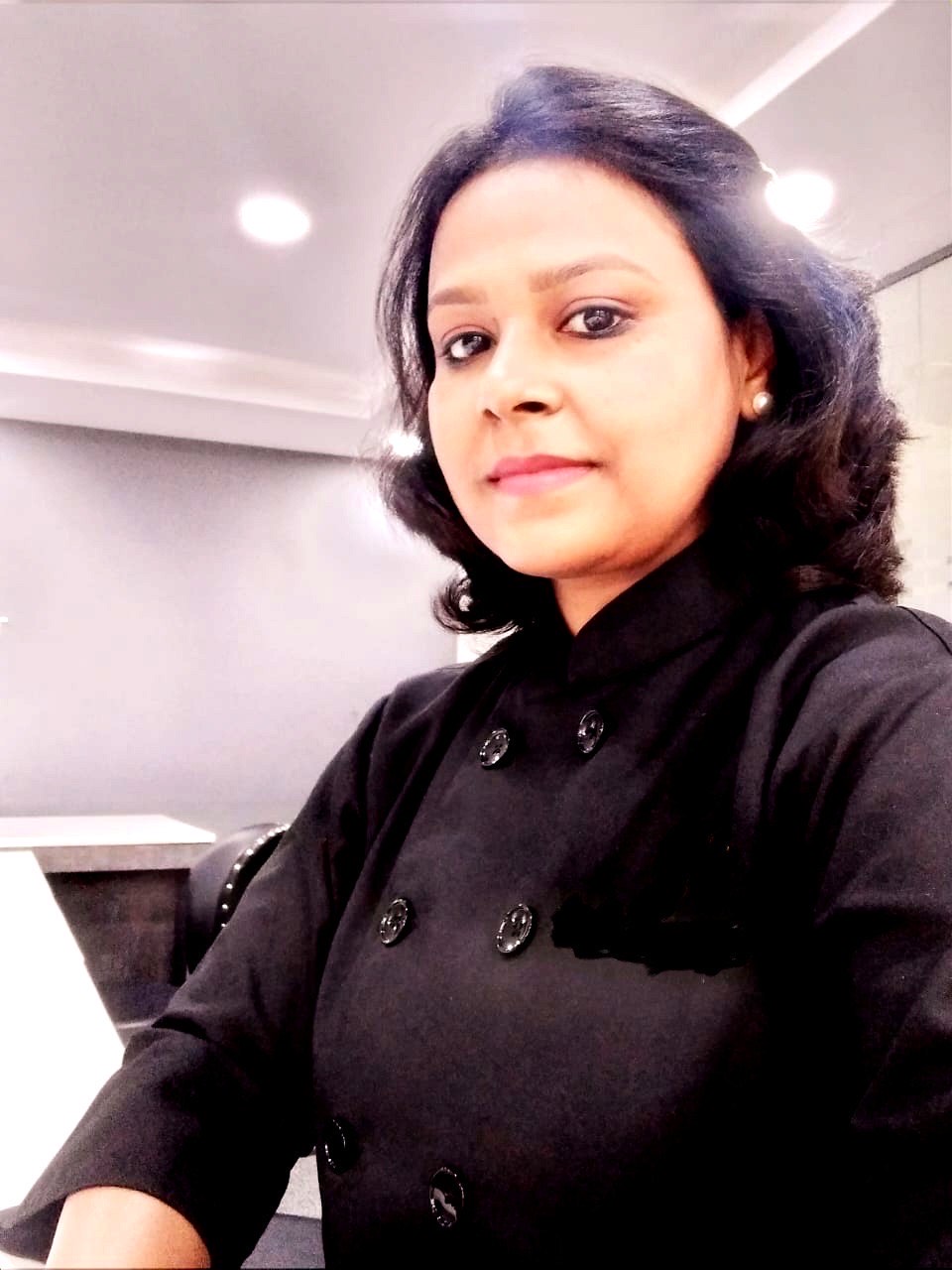
Anindita Deb, winner of the ICA Sculpture Cake 2025, shares her journey from a passionate baker to an award-winning sculpture cake artist. In this interview, she talks about the creative and scientific aspects of her craft, the inspiration behind her award-winning work, and her vision for inspiring the next generation of bakers.
When did you start your journey as a chef?

My journey as a chef began with a deep love for creativity and hands-on artistry. While baking was always a passion, my true journey into sculpted cakes started in 2020, when I created my first edible sculpture. That moment changed everything—it made me realize that cakes could be more than desserts; they could be powerful artistic expressions.
What does baking mean to you?
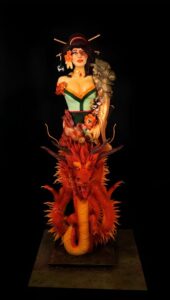
Baking, to me, is a form of storytelling. It is where emotion, discipline, patience, and imagination come together. Every cake I create carries a part of my journey, my learning, and my soul. It is not just about taste or technique—it’s about creating something meaningful that connects with people.
How does sculpture cake artistry balance technical precision with creative expression, and which aspect mattered more in your winning piece?
Sculpture cake artistry demands a perfect balance of both. Technical precision ensures structural stability, proportion, and realism, while creative expression brings life, emotion, and narrative to the piece. In my winning work, both were equally important, but creative expression played a slightly stronger role—it allowed the sculpture to speak, evoke emotion, and leave a lasting impact on the judges.
What kind of research and conceptual thinking goes into creating a competition-level sculpture cake?

Creating a competition-level sculpture cake begins long before touching the cake. It involves extensive research—studying anatomy, textures, cultural references, color psychology, and structural engineering. Conceptual thinking is crucial; every element must have purpose and harmony. I spend significant time visualizing, sketching, and mentally building the piece before execution.
How do science and creativity intersect in advanced baking, especially in structural and flavor design?
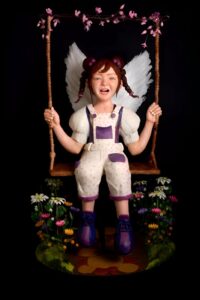
Science provides the foundation—understanding ingredients, temperature control, support systems, and food safety—while creativity shapes the final outcome. In structural baking, physics and engineering are as important as imagination. Flavor design, too, relies on chemistry, balance, and precision, ensuring that even the most complex sculpture remains delicious and enjoyable.
In your view, how has modern baking evolved as a form of contemporary art?
Modern baking has evolved far beyond traditional boundaries. Today, cakes are viewed as edible sculptures and contemporary art forms that express identity, culture, and emotion. Bakers are no longer just technicians; they are artists, designers, and storytellers. This evolution has elevated baking to a respected global art movement.
After winning the ICA Sculpture Cake 2025, how do you see your responsibility toward inspiring the next generation of bakers?
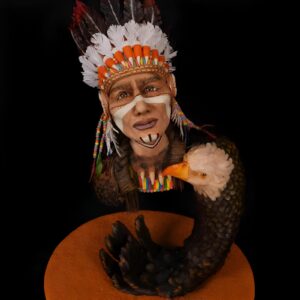
Winning the ICA Sculpture Cake 2024 has deepened my sense of responsibility. I believe it’s important to mentor, guide, and uplift aspiring bakers—especially those who doubt their own potential. Through teaching, sharing knowledge, and leading by example, I want to show that dedication, discipline, and passion can turn dreams into reality.