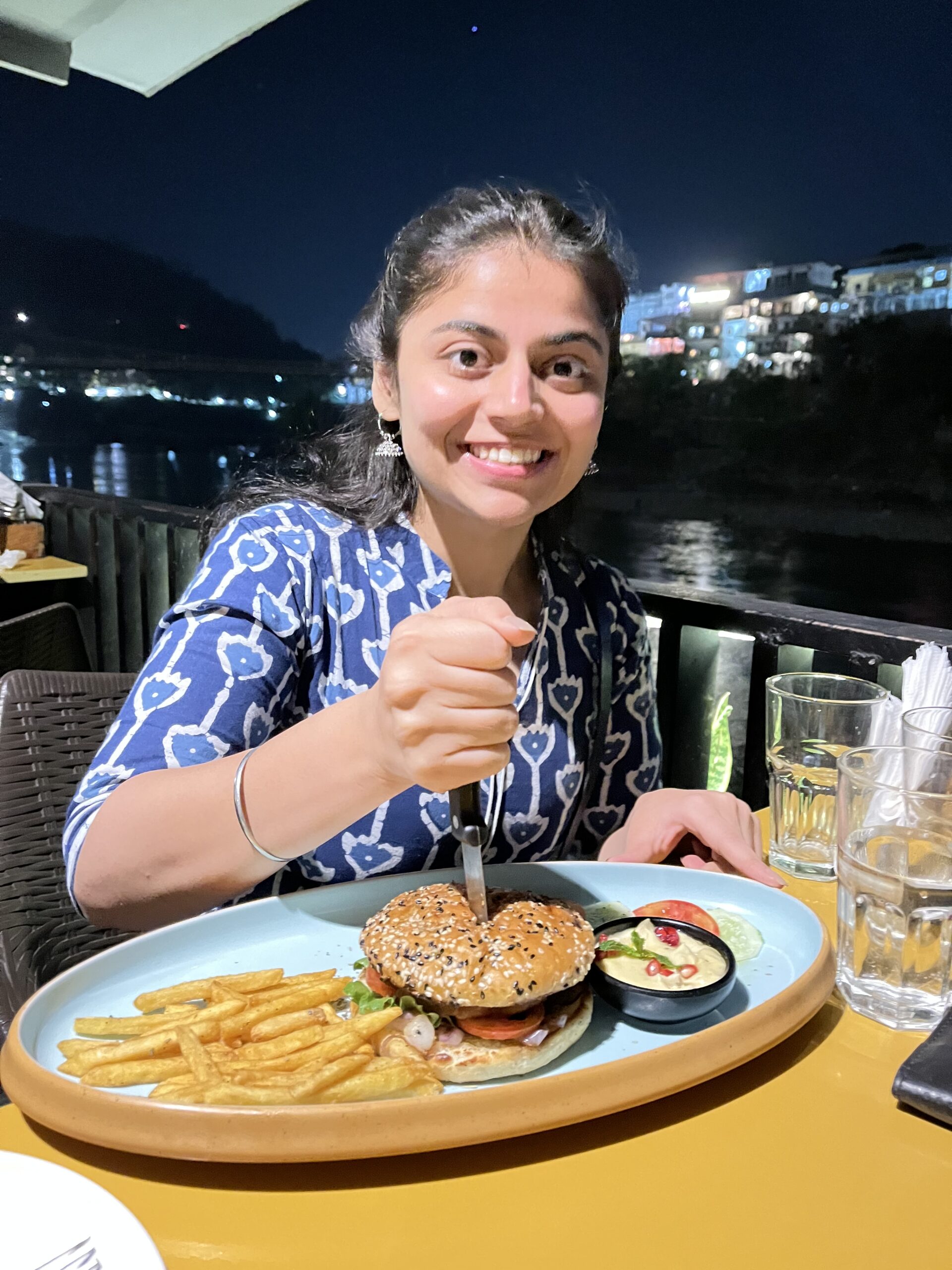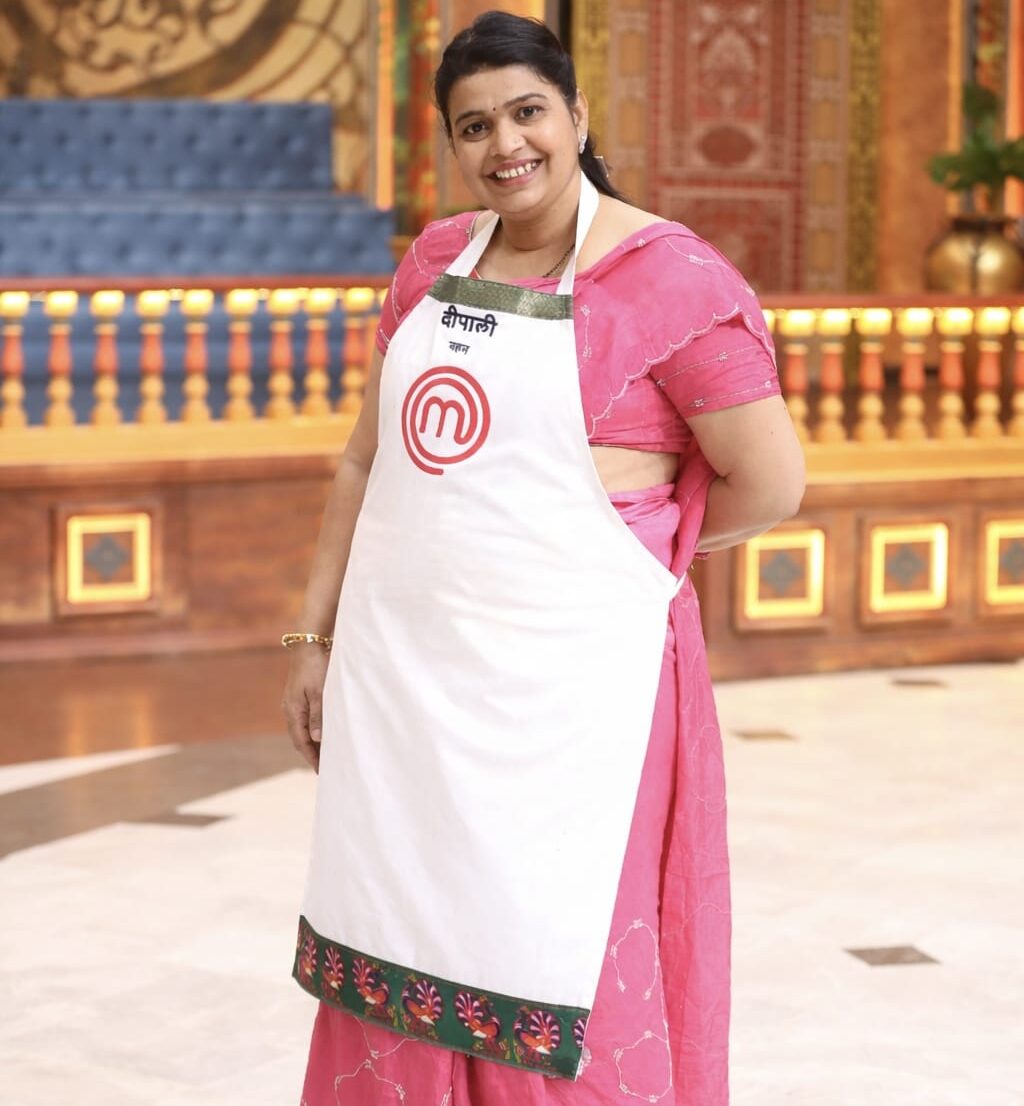
In the ever-evolving landscape of global gastronomy, Deepali, a Top 9 contestant of MasterChef 2026, emerges as a thoughtful voice rooted in tradition yet unafraid of innovation. Her culinary perspective reflects a deep respect for Indian heritage—where food is not merely sustenance, but a philosophy shaped by balance, seasonality, and emotion.

From reimagining regional classics through fusion to preserving the Ayurvedic essence of everyday meals, Deepali’s approach captures the dynamic journey of Indian cuisine on the global stage. Her insights reveal a cuisine that adapts without losing its soul—where authenticity evolves, storytelling thrives, and every plate becomes a bridge between cultures.
How does Indian cuisine negotiate its deeply rooted regional identities while adapting to the homogenizing forces of global gastronomy?

Indian cuisine is prepared differently in every region, but in today’s changing tastes, it can be adapted through fusion recipes. By giving our traditional dishes a new form, we can present something unique to the world. Indian food includes a balance of spicy, sweet, and tangy flavors, and because of this versatility, it can easily blend with cuisines from around the world.
In what ways has globalization influenced the authenticity of traditional Indian dishes, and is “authenticity” itself a static or evolving concept?
Today, Indian cuisine has become very popular due to globalization. In almost every country, Indian dishes are available—items like butter chicken, dosa, idli, and pani puri are especially popular. Today, Indian chefs are earning Michelin stars, and both the perspective and presentation of Indian food are changing. Indian cuisine has now reached an international level.
Can Indian cuisine’s philosophy of balance-seen in Ayurveda and the six tastes-offer a counterpoint to Western approaches to flavor and nutrition?

Indian cuisine is based on the concept of the six tastes—sweet, spicy, bitter, tangy, sour, salty, and astringent. Our everyday meal (thali) includes all these tastes, such as dal, rice, vegetables, pickle, salad, and papad. This balanced combination makes it an Ayurvedic meal, which is believed to strengthen the body and help fight diseases.
Our food itself acts as both nourishment and medicine, giving us strength from within. Compared to Western approaches to taste, Indian cuisine is not only more balanced but also richer and more flavorful.
How do migration and diaspora communities reshape Indian cuisine on the global stage, and what does this reveal about cultural ownership?

Indian communities living abroad often adapt their cooking based on the ingredients available in that country. For example, if curry leaves are not available, they manage with bay leaves; if paneer is not available, they use tofu; and if fresh Indian vegetables are not available, they cook with locally available ones.
However, they still use Indian spices like turmeric and garam masala, even in dishes like curry, pasta, or pizza. So, while the style and ingredients may change, the essence and authenticity remain Indian—no matter how or where the food is prepared, Indian cuisine always retains its identity.
Is fusion cuisine a form of creative evolution or a dilution of culinary heritage, particularly when Indian flavors are interpreted globally?

Fusion cuisine is truly a form of creative evolution. It allows us to take our traditional Indian dishes and combine them with different cuisines to create something new and present it to the world. Indian food is already rich and exceptional, and by giving it a fusion touch, we can make it even more innovative and appealing.
How has colonial history shaped both Indian cuisine and global perceptions of it, especially in terms of ingredients, techniques, and hierarchy of flavors?
Indian cuisine, in terms of ingredients, techniques, and flavors, is far ahead in many ways. Our spices like turmeric, chili, cinnamon, and cardamom are not just used for taste but also have medicinal properties that help in improving health.
Today’s modern chefs use these ingredients very skillfully so that the food is both delicious and healthy. When it comes to techniques, traditional methods like dum cooking in biryani and tandoori cooking are still widely used and appreciated. These age-old techniques continue to create rich, flavorful dishes even today.
Can the storytelling embedded in Indian food traditions compete with the fine-dining narratives of global cuisines like French or Japanese gastronomy?
Indian cuisine carries rich stories within it—every dish has a background, a tradition, and an emotion attached to it. Our meals are complete in themselves, especially in the form of a thali, where a variety of dishes come together to create a wholesome and satisfying experience.
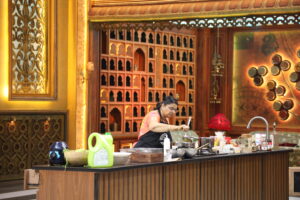
In contrast, cuisines like Japanese and French are often served in courses—appetizers, main course, and desserts—where each dish is presented separately.
Indian food is deeply connected to Ayurveda and changes with the seasons. Our meals adapt according to weather and health needs, making them both nourishing and balanced. Because of this depth, variety, and connection to health and tradition, Indian cuisine stands out as richer and more holistic compared to many others.
How do sustainability practices in traditional Indian cooking compare with modern global movements toward ethical and local sourcing?
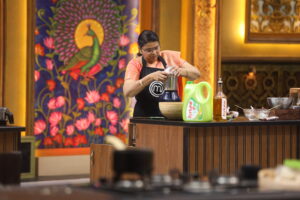
Indian cuisine has always been rich and well-developed, and the techniques passed down by our ancestors were already very advanced. Many of the practices that are considered modern trends today were actually used in Indian cooking long ago. This shows that traditional Indian cooking methods and today’s modern approaches are quite similar in many ways.
In a world driven by visual appeal and social media, how is the essence of Indian cuisine-often rooted in simplicity and depth-being redefined?
Earlier, food was simple and primarily meant to satisfy hunger. But today, in the age of visuals and social media, food is not just about nourishment—it is also about presentation. Dishes are served in small portions, in different styles and bowls, mainly to look attractive.
Because of social media, the simplicity that once defined food has somewhat faded. The focus has shifted more towards how food looks to the eyes rather than its true essence. The original purpose and depth of food seem to be getting lost, with more emphasis now on visual appeal and presentation.
Does the global popularity of Indian cuisine reflect genuine cultural appreciation, or is it shaped by selective adaptation to suit international palates?
In fact, Indian cuisine is popular worldwide because it offers a wide variety of flavors. However, with changing times, the way we present our food has also evolved. Earlier, dishes like curry were served simply in bowls, but today they are often plated in smaller portions and presented in a fine-dining style.
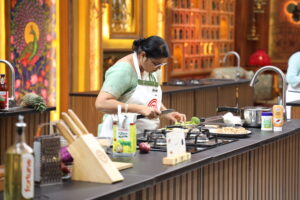
People now prefer variety and unique experiences rather than eating the same food in the same way. So while the essence and taste of Indian cuisine remain the same, the style of presentation has changed significantly.