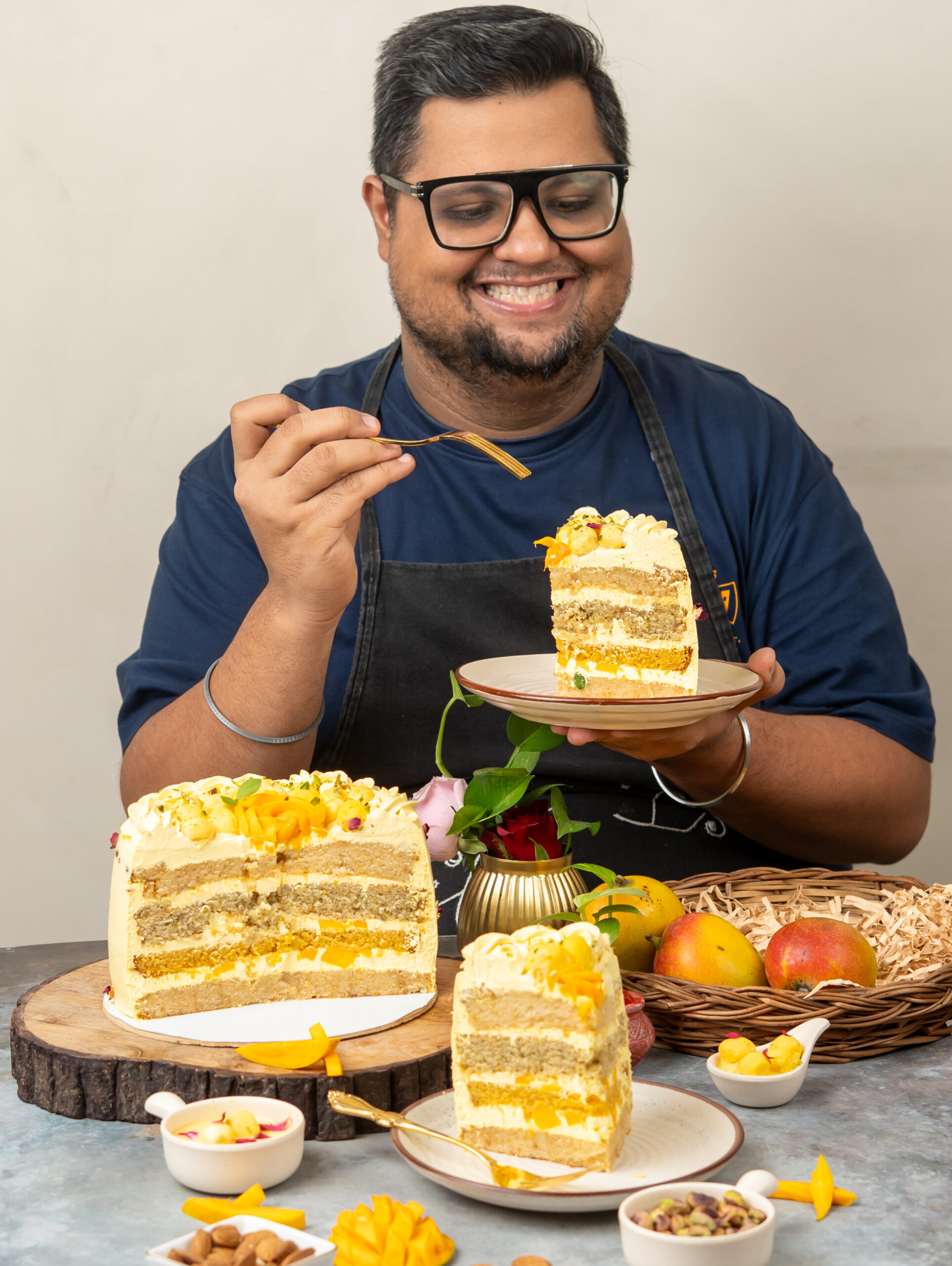
Rooted in classical French training yet inspired by Indian flavours, Chef Pratik Kuckreja represents a new wave of modern pâtisserie. Through his brand Fat is Flavour, he brings together precision, creativity, and cultural nuance—crafting desserts that are not just visually refined but thoughtfully balanced. His work reflects a deeper philosophy where technique meets intent, and fusion evolves into a language of its own.
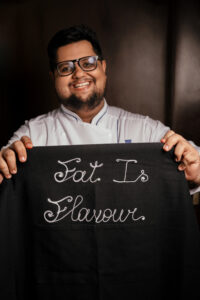
Trained in classical French techniques yet deeply rooted in Indian sensibilities, Chef Pratik Kuckreja is quietly redefining the boundaries of modern pâtisserie. His work reflects a thoughtful balance of precision, flavour & restraint. Through his brand, Fat is Flavour, he explores fusion baking as a craft in itself, one that is steadily shaping a new pastry narrative in India.
When did you started your journey as a chef?
I began my journey in the kitchen at a young age, driven by curiosity through early cooking trials, followed by formal education, training and work experience across India & Europe. I was naturally drawn to pastry because of its precision and its ability to deepen my understanding of the craft. A specialization in pastry at Le Cordon Bleu, London not only opened my eyes to new possibilities but also offered a balance of consistency and creativity, which ultimately shaped my foundation and approach to building my brand, ‘Fat is Flavour’.
In classical European pâtisserie, eggs play a structural role in cakes. When creating an eggless bundt cake, how do you reinterpret the science of aeration and moisture while still maintaining the elegance and crumb associated with traditional European cakes?
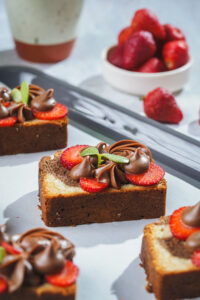
In eggless baking, I focus on rebuilding the functionality of eggs through a system of ingredients. Yogurt or buttermilk provides acidity & tenderness, fats ensure moisture retention and controlled chemical leavening creates aeration. Whether designing eggless bundt cakes, tea-time treats or modern pound cakes, my focus lies on achieving a fine, stable crumb that mirrors the elegance of a classic cake rather than simply replacing eggs. Eggless baking is not substitution, it’s reconstruction.
French pastry is often considered the pinnacle of technical precision. How do you balance the discipline of French dessert techniques with the growing global demand for eggless or vegetarian adaptations without compromising authenticity?
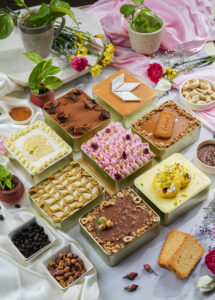
Authenticity in French pastry lies in technique, not just ingredients. By respecting fundamentals like emulsification, temperature control and texture, I can adapt recipes or create new ones without losing their essence. Eggless pastry, for me, is not a compromise but a technical evolution, both in replicating classics and creating fusion desserts.
Indian desserts are deeply rooted in tradition and sweetness, while French desserts emphasize balance and texture. How can modern pastry chefs create a dialogue between Indian mithai and French pâtisserie in a way that feels innovative rather than forced?
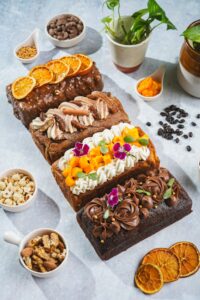
The dialogue works when there is intent and restraint. Instead of combining elements for the sake of fusion, I focus on understanding the core flavour, texture and emotion of an Indian mithai and then reinterpret it through a refined French structure.
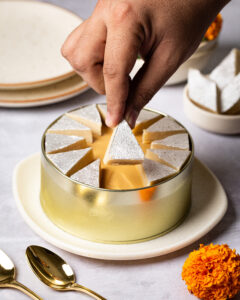
For example, while designing a Kaju Katli Cake, the idea was not to replicate it visually but to translate its flavour profile across a composed dessert. By building layers like cashew sponge, roasted butter, a smooth kaju-elaichi cremeux coupled with caramelized chocolate, the cake carried the familiarity of mithai in a balanced, textural & contemporary format.
The Italian dessert Tiramisu is built on simplicity and balance. In your view, what philosophical element make tiramisu timeless, and how can pastry chefs reinterpret it while respecting its cultural integrity?
Tiramisu is timeless because of its bitterness, richness and lightness working in harmony, with mascarpone providing a soft, airy texture and a subtle base that ties everything together.
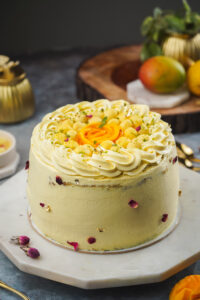
When reinterpreting it, the format can evolve but the balance must remain intact. I have explored this for festive menus using bases like rasgulla, biscuit, in-house ladyfinger or rusk, while introducing flavours such as saffron, pistachio, biscoff, rasmalai, Kerala coffee, etc ensuring the final experience reflects the softness, layering and signature feel of the classic. Constructing a tiramisu is never about complexity, it’s about balance done right.
Chocolate ganache is one of the most versatile components in pastry. From glazing entremets to filling truffles, what makes ganache a cornerstone of modern pâtisserie, and how do you approach its ratios as both a science and an art?
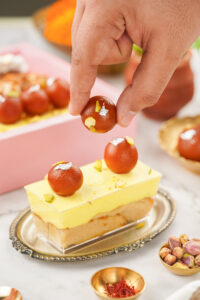
Ganache is fundamental because of its versatility and with precise ratios, it can take on multiple textures. The science lies in emulsification and proportion, while the art lies in adapting those ratios of Chocolate & Cream based on application, whether fluid for glazing, soft for piping or structured for layering.
When creating a dessert menu that includes French, Italian, and Indian desserts, how do you ensure each dessert retains its cultural identity rather than becoming a diluted fusion?
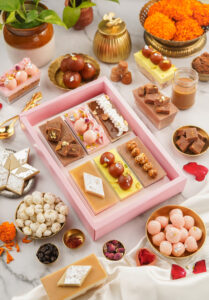
Each dessert must have clarity of intent. I avoid overcomplicating cakes with excessive fusion and allow each component to retain its identity while integrating seamlessly through technique and presentation. A well-balanced menu can be diverse, but every dessert should feel authentic. A good dessert doesn’t try to be everything, it knows exactly what it is.
In the context of contemporary pastry innovation, how important is storytelling when presenting a dessert—especially when the inspiration comes from different culinary traditions such as French pâtisserie and Indian sweets?
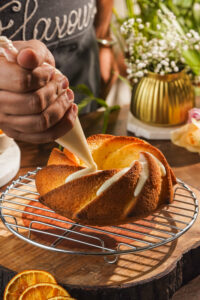
Storytelling adds depth and context, especially when blending influences helping the consumer connect with the idea behind the creation. However, it is imperative the dessert stands on its own with the story enhancing and not defining it. In my experience, desserts built on simple, well-balanced pairings where the aftertaste and texture are the heroes speak to and stay with the consumer for a long time.
Many pastry chefs believe texture is as important as flavor. How do you design a dessert experience where elements like silky ganache, airy sponge, and creamy mascarpone interact to create a memorable sensory narrative?
I approach dessert design through a principle known as “hedonistic escalation” – not by adding more elements, but by intensifying pleasure through thoughtful layering and balance. After all, indulgence should build, not overwhelm.
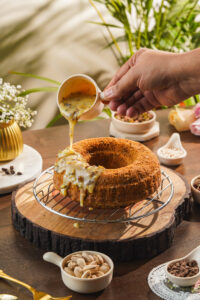
To state an example, a light sponge will absorb flavour, a smooth ganache will add depth, mousse or cremeux will soften and round off the palate. Each layer plays a role in how the dessert unfolds, ensuring the experience builds gradually, becoming more indulgent with every bite without ever feeling overwhelming.
With the increasing popularity of eggless baking in India, do you believe it is creating a new pastry tradition rather than simply modifying Western recipes?
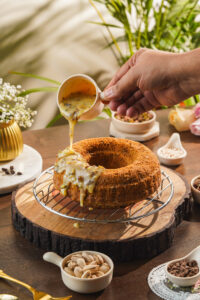
Modern pastry in India is steadily evolving into its own tradition. Today, pastry chefs are no longer just adapting western recipes, they are developing formulations that are inherently devoid of eggs from the ground up. This shift is shaping a distinct dessert language with its own techniques, ingredient understanding and benchmarks of quality. Having trained in classical pastry and worked closely with international chefs, I see this as a natural progression of the craft in the Indian context that Eggless pastry is no longer an adaptation, it’s a language of its own.
French desserts often celebrate restraint, while Indian desserts celebrate indulgence. How can a pastry chef philosophically reconcile these two contrasting dessert cultures on a single plate?
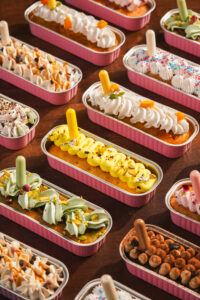
It comes down to balance and refinement. I retain the richness of desi desserts while understanding the intent of the flavour and apply the restraint of controlled sweetness and refined textures to allow both, French & Indian styles to coexist seamlessly.
Chocolate is universal, yet its interpretation varies widely across cultures. How do you see chocolate ganache evolving in modern desserts influenced by Italian simplicity and Indian flavor profiles?
Ganache continues to evolve through flavour integration. While its structure remains classical, the addition of regional ingredients such as rose, cardamom, saffron, brown butter or fresh berry brings new depth and texture. This allows it to remain relevant while maintaining its core identity.
Looking toward the future of global pâtisserie, do you believe the next revolution in dessert innovation will come from technical mastery, cultural fusion, or dietary adaptation such as eggless baking?
The future of pâtisserie will emerge from the intersection of all three. Technical skill will remain the foundation, cultural influences will shape creativity and evolving dietary preferences will define relevance. Though what will truly set the next phase apart is intent. I believe chefs who understand why they are combining cultures or adapting techniques rather than following a trend will lead the shift, creating desserts that feel complete, purposeful and rooted in a clear point of view. It is important to know why we’re doing, what we’re doing.
Ben & Jerry’s is known for transforming indulgent ingredients into culturally relevant ice-cream experiences. When working with the richness and complexity of Belgian dark chocolate, how can chefs create a fusion dessert that balances artisanal chocolate heritage with contemporary global flavor narratives?
When working with Belgian dark chocolate, the focus is on preserving its depth while building layers around it, that enhance rather than distract. Its natural complexity allows it to pair well with both familiar and unexpected flavours. In a fusion context, this could mean introducing regional elements or textures such as spice notes, acidity or contrast while ensuring the flavour of chocolate remains the centrepiece. The balance lies in respecting its artisanal character while presenting it in a way that feels palatable & globally relevant.
In modern dessert innovation, brands like Ben & Jerry’s often experiment with bold textures and mix-ins. How can the intense bitterness and depth of Belgian dark chocolate be reimagined in fusion desserts that incorporate influences from Indian or European pastry traditions while maintaining chocolate’s purity and sophistication?
The key is to treat chocolate as the anchor. Its intensity can be balanced with lighter textures or nuanced flavours without being overshadowed. Supporting elements should enhance its depth while preserving its authenticity and sophistication. A simple contrast like Himalayan sea salt elevates dark chocolate beautifully, making it a timeless pairing across formats from cookies and mousses to gelato and whipped ganache, etc.
As global pâtisserie continues to evolve, voices like Chef Pratik Kuckreja’s signal a shift towards intention-led creation where technique, culture and adaptability converge seamlessly. In bridging culinary traditions with clarity and restraint, his work not only reflects where pastry stands today, but also where it is headed next.