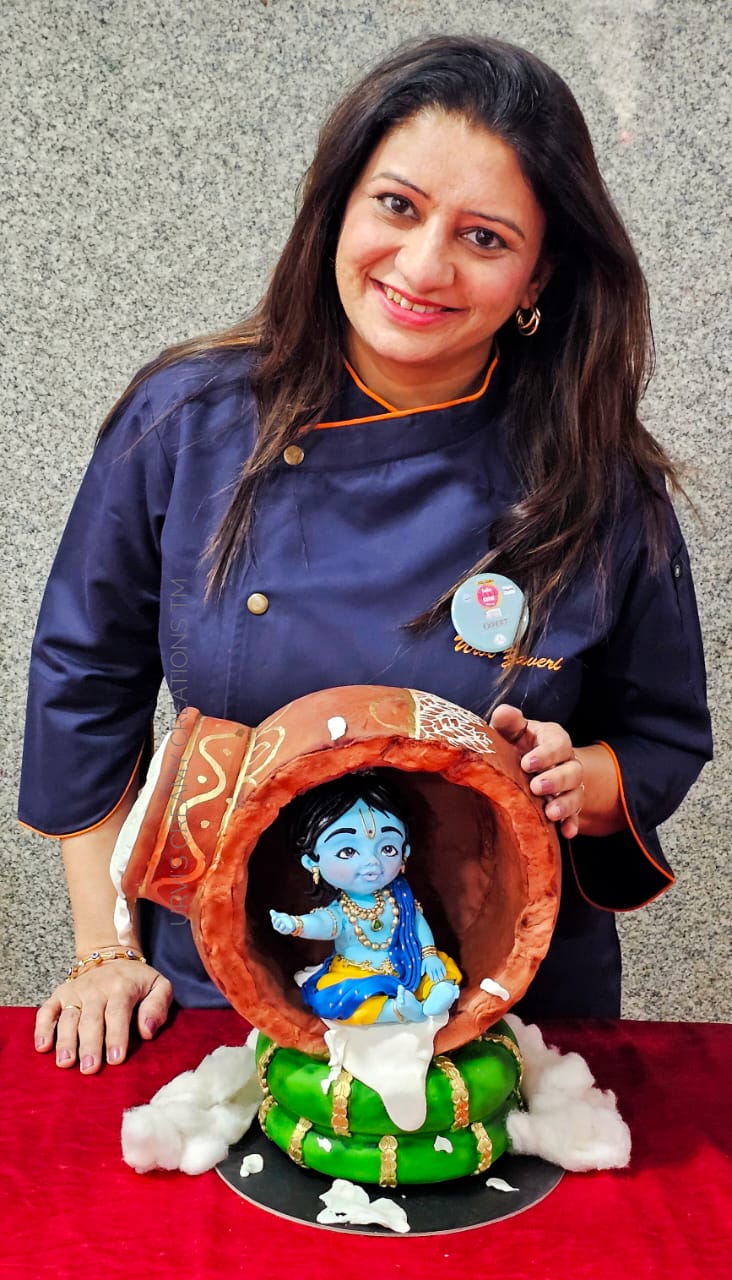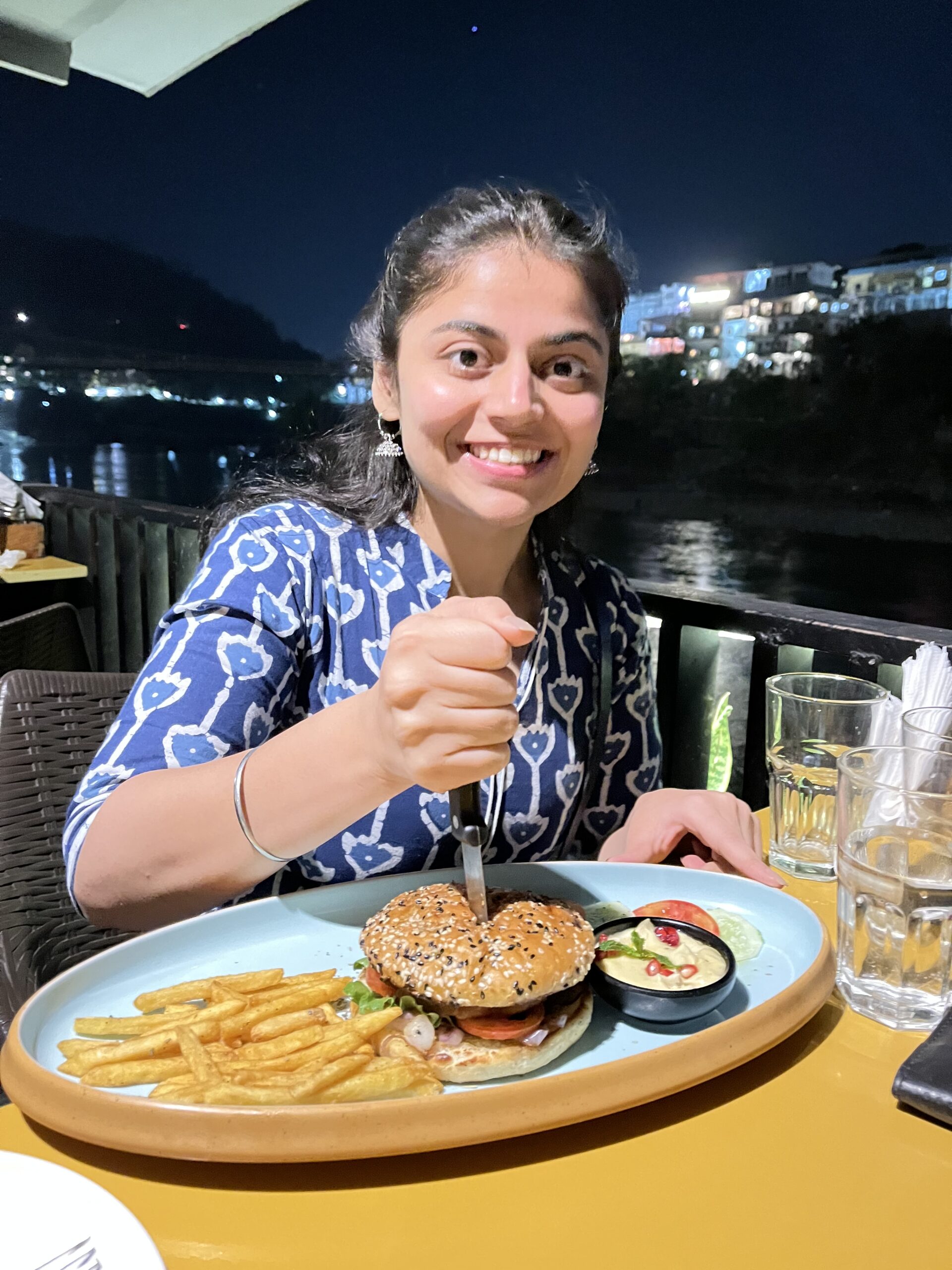
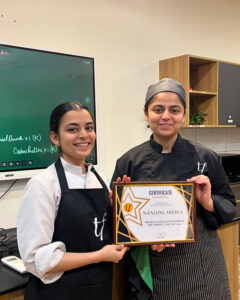
Chef Nandini Arora: Leaving behind the structure of a high-paying corporate career, this chef chose to follow a deeper calling—one rooted in creativity, emotion, and the art of baking. What began as a simple outlet soon transformed into a dedicated pursuit of pastry, refined through formal training and global inspiration.
Today, their work beautifully balances classical French discipline with the soulful simplicity of Italian desserts, while drawing from the richness of Indian traditions. Each creation is not just a dessert, but a thoughtful expression of technique, storytelling, and flavor—designed to evoke emotion long after the last bite.
When did you started your journey as an chef?
I began my journey as a chef after making the conscious decision to step away from a high-paying corporate career and pursue what truly fulfilled me, baking. What started as a creative outlet gradually turned into a deep passion, leading me to formally train in pastry arts. Today, my work is rooted in both emotional connection and technical precision, where every dessert tells a story.
French and Italian pastry traditions are rooted in centuries of culinary heritage. How do you balance preserving classical techniques while introducing contemporary creativity in modern dessert baking?
French pastry traditions have given us a strong foundation of technique and discipline, while modern baking invites creativity. I believe in mastering classical methods first, understanding the “why” behind each step and then thoughtfully innovating. This balance allows me to respect tradition while creating desserts that feel relevant and exciting today.
French pâtisserie is often described as precise and scientific, while Italian desserts emphasize rustic simplicity and flavor. How do these contrasting philosophies influence your own baking approach?
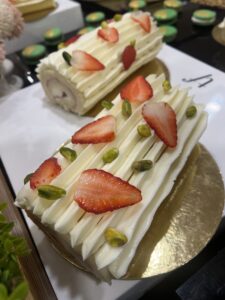
French pâtisserie’s precision has taught me structure and consistency, whereas Italian desserts have shown me the beauty of simplicity and flavor-forward baking. My approach is a blend of both technical where required, but never at the cost of warmth and soul in the final product.
With iconic desserts like Tiramisu, Cannoli, and Macaron gaining global popularity, how do you maintain authenticity while adapting them for an international audience?
When working with globally loved desserts like tiramisu, cannoli, or macarons, I try to retain their core identity, whether it’s the flavor profile or technique, while making subtle adaptations that suit my audience, such as adjusting sweetness or incorporating familiar ingredients.
In the world of luxury patisserie, visual aesthetics have become as important as flavor. How do you ensure that the artistry of dessert presentation never overshadows the integrity of taste and texture?
Visual appeal is important, especially in today’s world, but I strongly believe that taste and texture should always come first. A beautiful dessert may attract attention, but it’s the flavor that creates a lasting impression and brings people back.
Ingredients such as high-quality chocolate, cultured butter, and seasonal fruits are fundamental to European pastry. How do ingredient sourcing and terroir influence the character of your desserts?

Ingredient quality plays a crucial role in pastry. Whether it’s chocolate, butter, or seasonal fruits, sourcing directly impacts the final outcome. I focus on using the best ingredients available to me while adapting to local availability, ensuring consistency and depth of flavor.
Modern pastry kitchens increasingly integrate culinary science. How has the understanding of techniques like emulsification, fermentation, and temperature control transformed the way desserts are created today?
Culinary science has completely transformed modern pastry. Understanding emulsification, fermentation, and temperature control allows for better precision, consistency, and creativity. It empowers chefs to innovate with confidence rather than relying solely on intuition.
Classic French pastries such as Croissant and Éclair require extraordinary precision. In your opinion, what separates a technically perfect pastry from a truly memorable one?
Culinary science has completely transformed modern pastry. Understanding emulsification, fermentation, and temperature control allows for better precision, consistency, and creativity. It empowers chefs to innovate with confidence rather than relying solely on intuition.
Classic French pastries such as Croissant and Éclair require extraordinary precision. In your opinion, what separates a technically perfect pastry from a truly memorable one?
A technically perfect croissant or éclair is about precision but what makes it truly memorable is the balance of flavor, texture, and the experience it creates. It should evoke emotion, not just admiration.
Italian desserts often celebrate simplicity—like Panna Cotta or Gelato. Do you believe simplicity is more challenging to execute than complexity in pastry making?
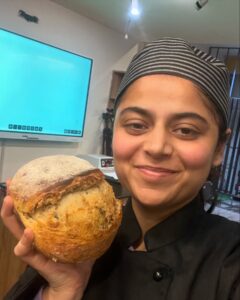
Simplicity is often more challenging than complexity. Desserts like panna cotta or gelato leave no room for error, every ingredient and every step matters. When done right, simplicity can be incredibly powerful.
As global diners become more health-conscious, how are pastry chefs reimagining traditional desserts without compromising the indulgent experience that defines classic baking?
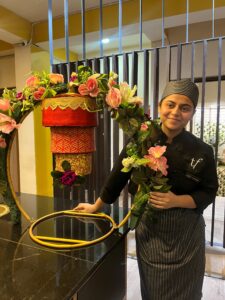
With increasing health awareness, I enjoy reimagining desserts using better ingredients—like natural sweeteners, whole grains, or balanced portions, while ensuring they still feel indulgent. It’s about mindful indulgence rather than restriction.
Dessert has evolved from a simple end to a meal into a culinary statement and artistic expression. Where do you see the future of international pastry—particularly French and Italian baking—heading in the next decade?
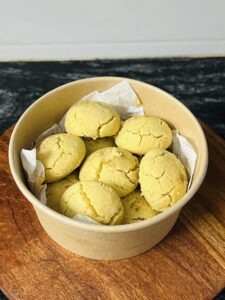
The future of pastry lies in conscious creativity where sustainability, health, and storytelling come together. I see a shift toward desserts that are not just visually stunning but also thoughtful in their ingredients and purpose.
Artisanal pastry, how can classic Indian desserts such as Jalebi or Kaju Katli be reinterpreted while preserving their authentic essence?Indian desserts are deeply rooted in regional traditions. In your opinion, how do traditional sweets like Gulab Jamun or Rasgulla reflect the diversity of India’s culinary heritage?
Indian desserts hold immense potential in artisanal pastry. Reinterpreting classics like jalebi or kaju katli involves preserving their essence, flavor and emotion while presenting them in a refined, contemporary way.
Traditional sweets like gulab jamun or rasgulla beautifully reflect India’s regional diversity, from ingredients to techniques. Each dessert carries a cultural story, making Indian mithai incredibly rich and unique.
With the global rise of artisanal pastry, how can classic Indian desserts such as Jalebi or Kaju Katli be reinterpreted while preserving their authentic essence?
Reimagining Indian desserts globally requires subtle innovation perhaps through modern plating, textural contrast, or fusion with classical techniques without losing authenticity.
Many Indian sweets rely on ingredients like ghee, jaggery, and milk solids. How do these traditional ingredients shape the unique texture and flavor profile of desserts like Mysore Pak?
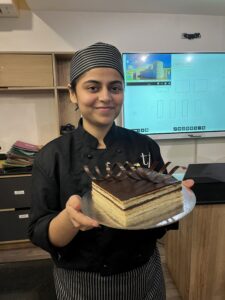
Ingredients like ghee, jaggery, and milk solids define the richness and depth of Indian sweets. For example, mysore pak’s texture and flavor are entirely shaped by the quality of ghee and the cooking process.
In contemporary dessert plating and luxury patisserie, how can chefs elevate humble sweets like Rabri or Kulfi into fine-dining experiences?
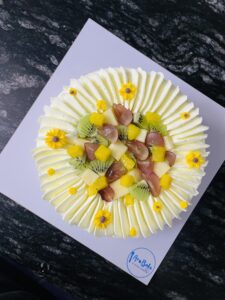
Elevating desserts like rabri or kulfi into fine dining experiences involves refining textures, controlling sweetness, and focusing on presentation, while still retaining their nostalgic essence.
Your top 5 Dessert Around the world which is your favourite and you have tested it?
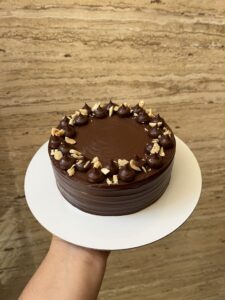
Top 5 desserts I love and have worked with:
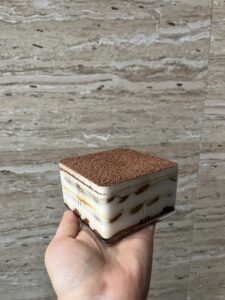
• Tiramisu
• Gulab Jamun
• Baked Cheesecake
• Chocolate Tart
• Tea Cakes (especially whole wheat and fruit-based)
Each of these desserts has helped me grow as a baker, teaching me everything from technique to flavor balance and creativity.