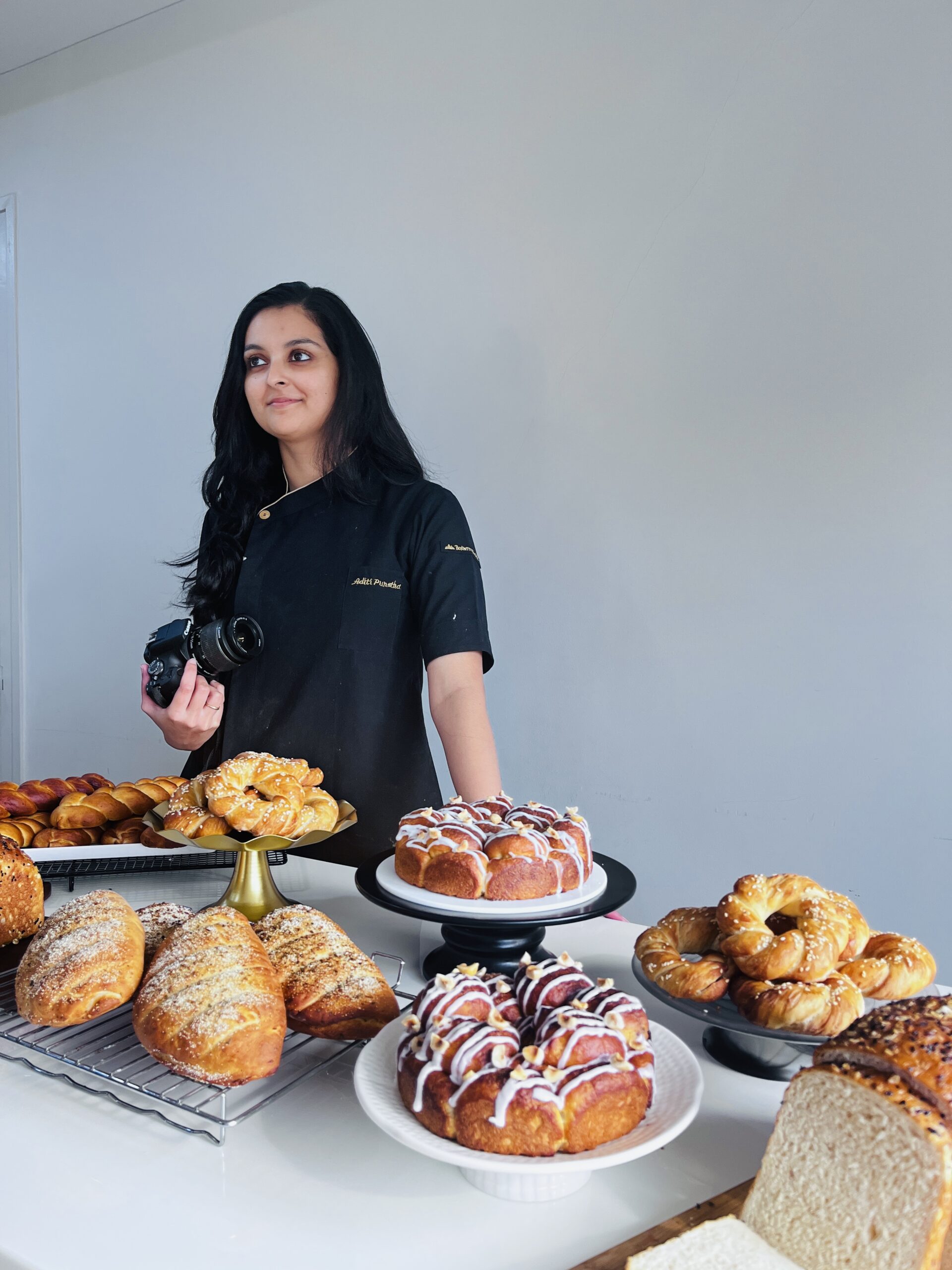
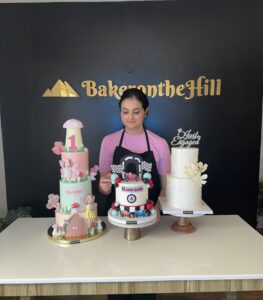
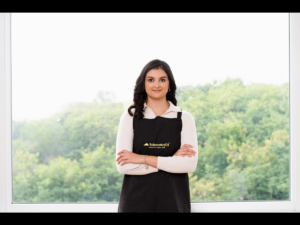
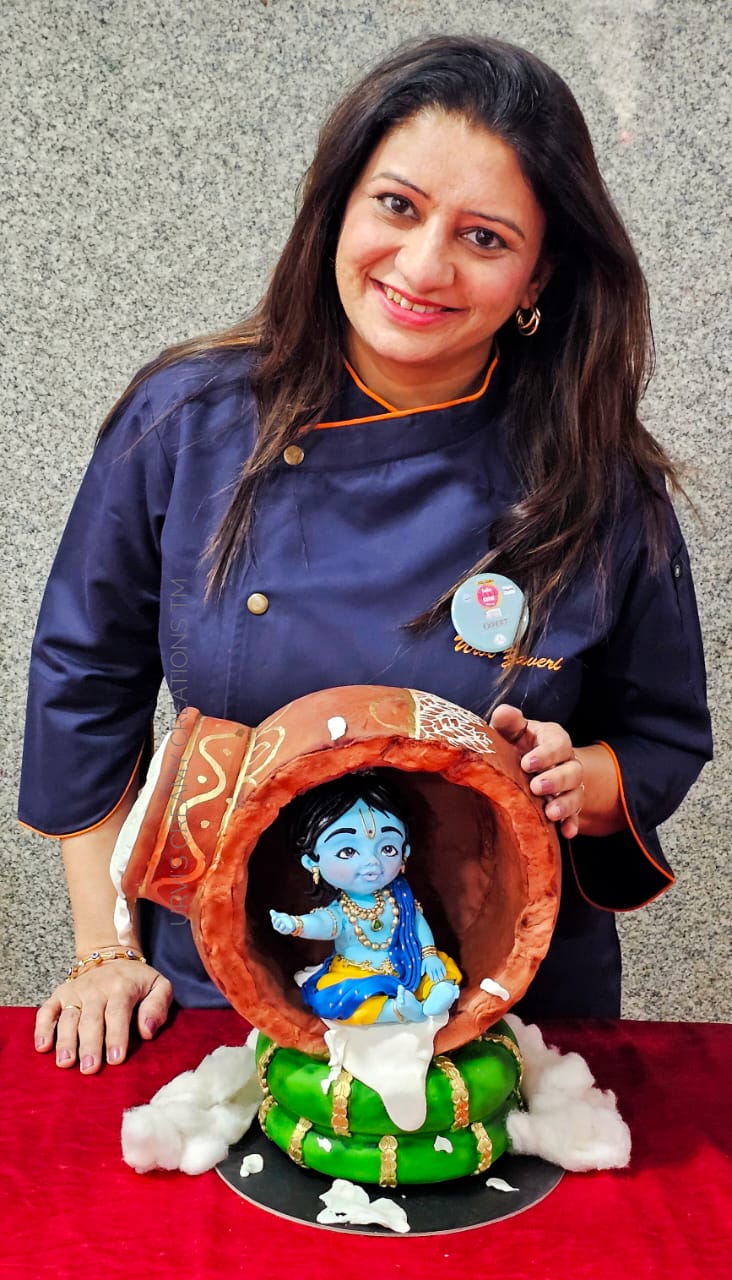
Aditi Punetha, founder of BakerontheHill is a pastry chef, intructor and cake artist who understands the fine balance between methodical precision & unhindered flair. After receiving her certification from the prestigious Lavonne Academy, she went on to work in various commercial kitchens from 7 star hotels, quaint cafes, designer cake boutiques to popular restaurants.
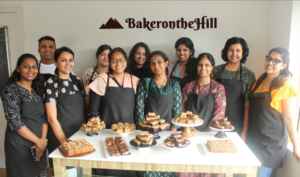
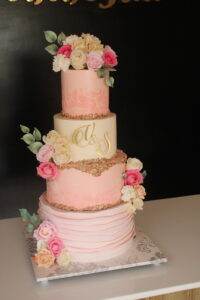
Apart from taking orders for custom cakes and desserts in her studio in Hyderabad, she conducts workshops for modern cakes, wedding cakes, breads, party desserts, brownies to name a few. With over 1200 students under her wing from all across the world, she hopes every baker learning with her not only masters making what is taught in class, but is also left with an education that can help them apply, adapt & innovate. She was awarded Top 10 Bakers in Hyderabad & Top 25 India 2020 By India’s largest bakers platform Homebakers.co.in.
When did you started your journey as a chef?
In 2016, I formally completed my certification from the prestigious Lavonne academy, Bengaluru. I went on to work in various commercial kitchens – from luxury 5 star hotels , to world renowned restaurants, quaint cafés and cake studios specialising in bespoke cakes & desserts.
In early 2019 , to share the joy of baking, I founded BAKERONTHEHILL , a cake & culinary studio . At Bakeronthehill we take orders for custom cakes & desserts and conduct hands on, fun & informative baking workshops.
Indian desserts are deeply rooted in tradition, while French pastry celebrates precision and technique. How do you navigate the balance between preserving authenticity and introducing contemporary innovation on the dessert plate?
Indian desserts are nostalgic and comforting, however my pastry training helps me present it through a new lens by using familiar Indian flavours in a more contemporary way without losing their identity.
It could be something as simple as incorporating classic Indian ingredients like cardamom, saffron, or pistachio into entremets, plated desserts or cakes. The goal is always for someone to take a bite and feel that sense of familiarity, but with a fresh and exciting experience.
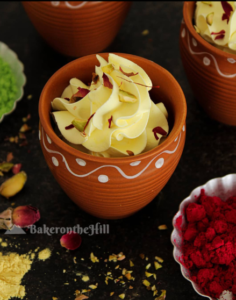
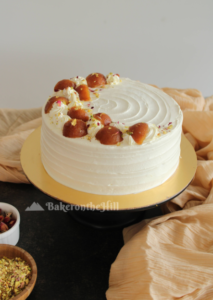
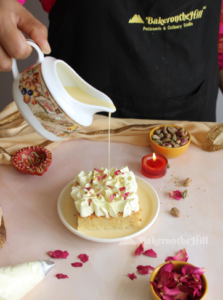
At Bakeronthehill, Rasmalai tresleches , gulab jamun celebration cake and rice pudding entremets are a big hit with our students & customers.
Belgian chocolate is often regarded as the gold standard in confectionery. What qualities of Belgian chocolate make it particularly suitable for high-end pastries, ganaches, and artisanal desserts?
Chocolate based desserts and cakes are one of the bestsellers at Bakeronthehill, we use couverture Belgian chocolate as one of its defining qualities is the high cocoa butter content, which gives it a smooth, fluid texture and a beautiful mouthfeel.
It also offers a very well-balanced flavour profile. The cocoa notes are rich and complex without being overly bitter or sweet. It pairs seamlessly with a variety of ingredients—from fruits and nuts to spices.
From a technical perspective, Belgian chocolate tempers beautifully and has excellent workability, making it ideal for applications like glazing, moulding, and creating refined chocolate decorations & garnishes.
Indian mithai relies heavily on ingredients like khoya, jaggery, and ghee, while French desserts emphasize butter, cream, and chocolate. How can these contrasting ingredient philosophies inspire new cross-cultural dessert creations?
Apart from Indian mithai relying heavily on ingredients like khoya, jaggery, and ghee , they are also deeply rooted in celebration and tradition. French pastry, on the other hand, focuses on technique, structure, and precision while using butter, cream, and chocolate.
When these two worlds meet, they open up exciting creative possibilities.
For example, the depth and caramel like notes of jaggery can bring a beautiful complexity to French-style mousses or tarts. Classic indian mithai like kheer, gulab jamun & halwas can be layered into entremets and plated desserts. Additionally Indian ingredients like cardamom, saffron can be easily used for components such as ganache, crèmeux, or sponge.
For me, cross-cultural desserts work best when the integrity of both traditions is respected. Rather than forcing a fusion, it’s about allowing the ingredients and techniques to complement each other—bringing the comfort and nostalgia of Indian mithai together with the elegance and finesse of French pastry.
Desserts & cakes based fusion flavours (for eg- gulab jamun thandai trifle, rasmalai tresleches) have become a bestseller in the non chocolate category at Bakeronthehill.
In an era of global gastronomy, do you believe Indian desserts have the potential to evolve into haute pâtisserie similar to French desserts?
Absolutely. Indian desserts have immense potential primarily because they are built on incredibly rich flavours and diverse ingredients. From saffron, cardamom, rose to pistachios, jaggery, and khoya, the Indian dessert palette is both complex and distinctive. I believe the future lies in thoughtfully enhancing these flavours rather than altering them. When traditional Indian ingredients are combined with precision techniques and modern aesthetics, they can absolutely stand alongside the world’s finest pastries while still retaining their cultural identity.
The structure of a perfect tart requires harmony between crust, filling, and garnish. What technical challenges arise in achieving this balance, and how do you overcome them?
From a technical standpoint, one of the biggest challenges is achieving the perfect tart shell. It needs to be delicate and crisp, yet strong enough to hold the filling without becoming soggy. This requires careful control of dough handling, blind baking, and often sealing the base with a thin layer of chocolate or cocoa butter to maintain that crisp texture.
The filling must complement the crust both in flavour and consistency. So balancing sweetness, acidity, and richness becomes essential—whether it’s a fruit curd, ganache, or cream-based filling.
From classic tarte au chocolat to fruit-filled pâtisserie, French tarts embody elegance and restraint. What design philosophy do you follow when presenting a tart as both a culinary and visual masterpiece?
For me, the design philosophy of a tart is rooted in simplicity, balance, and intention. I focus on highlighting the main flavour , balancing flavours and textures well, while using clean lines, and minimal decoration. I work more with glossy glazes, smooth ganache, fresh fruits & delicate chocolate accents . They can add dimension while maintaining elegance.
The brownie, though simple in appearance, requires a delicate balance between texture, richness, and structure. In your view, what distinguishes an exceptional, gourmet brownie from a conventional one?
At Bakeronthehill, Brownie bites remain a bestseller as accompaniments to cake orders, hence to maintain consistency and quality we pay close attention to the quality of ingredients used.
A conventional brownie is Cakey/fudgy and made with minimal ingredients – eggs, sugar, butter, chocolate, flour & cocoa. A gourmet brownie uses high-quality chocolate, good butter, while maintaining the right ratio of fat, sugar, and flour. In addition it often is layered with an additional component like a mousse , cheesecake & ganache to elevate its texture & appearance.
With the growing influence of artisanal chocolate and premium ingredients, how do you reinterpret the classic brownie to elevate it into a refined dessert experience suitable for a modern pâtisserie menu?
I’m glad to answer this question as GOURMET BROWNIES & BARS is one of our most popular baking workshops at Bakeronthehill . To elevate a classic brownie into a refined dessert experience , the focus shifts to ingredient quality, balance, and presentation. Using artisanal chocolate with a well-defined cocoa profile adds depth and complexity to what is traditionally a simple dessert.
I play with textures and pair it with single and multiple elements like cheesecakes, mousse , fruit compotes & jellies or a silky ganache. This has been a complete game changer for both my clients and students.